Revolutionizing Electric Vehicles: The Emergence of Blade Batteries
The world is now witnessing a paradigm shift in the automobile industry as electric vehicles take center stage worldwide. The transition to electric mobility is accelerating, and several energy storage technologies are emerging to support the growth of this new era. Among these, blade batteries have drawn significant attention as an advanced power source that promises to revolutionize the electric vehicle industry.
In this blog post, we will delve deep into the basics of blade battery technology and explore its benefits, the future of electric mobility, comparing blade batteries with traditional EV batteries, and the environmental impact of blade batteries as a sustainable choice. So let's dive in.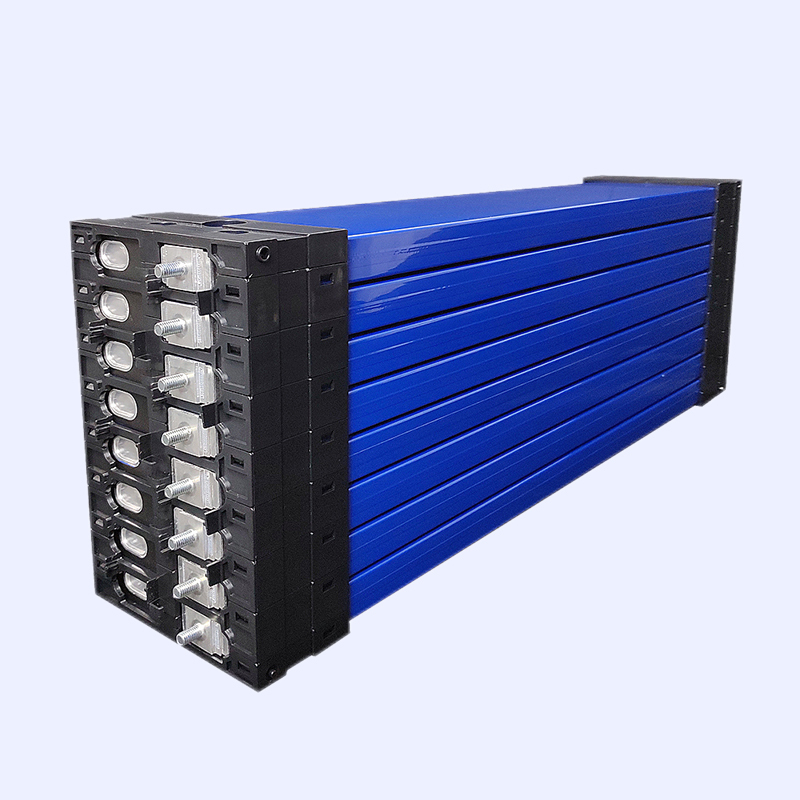
1.Understanding the Basics of Blade Battery Technology:
Blade batteries are a new generation of lithium-ion batteries designed explicitly for electric vehicles. They feature revolutionary prismatic lithium-ion cell design that is thinner, longer, and wider, resembling the shape of a blade. The blade shape allows for better heat dissipation and improved safety, especially during extreme weather conditions.
Unlike traditional EV batteries, which involve stacking several cells on top of each other, blade batteries' unique design arranges the cells side by side, like a sandwich. This configuration reduces the cells' internal resistance, resulting in improved performance, higher efficiency, and longer-lasting batteries.
2.The Advantages of Blade Batteries in EV Performance and Safety:
The blade battery's unique cell design improves its performance and provides several advantages for electric vehicle owners. Firstly, the cells are thinner and lighter, reducing the weight of the battery pack, a critical factor in electric vehicle performance. Secondly, the blade configuration offers longer battery life and increased energy density, delivering more power for longer distances.
The blade battery's prismatic design also allows for better heat dissipation, which minimizes the risk of overheating and improves safety. The batteries use lithium-iron phosphate (LiFePO4) chemistry that is safer, more stable, and less prone to fires or other accidents.
3.How Blade Batteries are Shaping the Future of Electric Mobility:
Blade batteries' emergence has already impacted the electric vehicle industry, leading to a surge in EV production and sales globally. The technology is rapidly evolving, and manufacturers are incorporating blade batteries into their EV models. As the demand for eco-friendly transportation increases, the use of blade batteries is expected to grow even more.
In terms of usage, blade batteries can support several EV applications, from heavy-duty trucks to electric buses and cars. The battery's reliability and safety features make it ideal for electric vehicle fleets in the logistics, transport, and public transportation sectors. Considering the ease of manufacture and affordability of the technology, blade batteries can be a game-changing power source for electric mobility in the years ahead.
4.Comparing Blade Batteries with Traditional EV Battery Systems:
One critical benefit of blade batteries compared to traditional EV batteries lies in their safety and reliability. The unique cell arrangement of blade batteries reduces the potential for accidents and overheating, a prevalent problem with stacked-cell batteries. Blade batteries also exhibit a longer life cycle, meaning they last longer than traditional EV batteries, which reduces the need for frequent replacements and enhances their overall sustainability.
Another significant contrast between blade batteries and traditional EV batteries is their greater energy density. Blade batteries can store more energy in a smaller battery pack, which is ideal for electric vehicles with limited space for battery storage. Additionally, blade batteries recharge faster than traditional EV batteries, thanks to their lower internal resistance.
5.The Environmental Impact of Blade Batteries: A Sustainable Choice:
Blade batteries are widely regarded as a sustainable power source that significantly reduces carbon emissions compared to internal combustion engines. The technology's use in electric vehicles reduces greenhouse gas emissions and pollution, taking us one step closer to a greener and cleaner environment.
Furthermore, blade batteries are recyclable and environmentally friendly. At the end of their useful life, the batteries can be completely recycled, recovering valuable materials while also reducing waste and pollution. This makes the use of blade batteries a more eco-friendly choice than traditional EV and hybrid batteries.
In conclusion, the emergence of blade batteries is revolutionizing the electric vehicle industry and shaping the future of electric mobility worldwide. The technology's unique cell arrangement provides several advantages, including improved safety, higher efficiency, and longer-lasting batteries. Blade batteries can support diverse EV applications and benefit multiple sectors, from logistics to public transportation.
Compared to traditional EV batteries, blade batteries offer greater energy density, faster recharge times, and reduced risk of accidents and overheating. Additionally, blade batteries help reduce greenhouse gas emissions, making them a more sustainable choice for powering electric vehicles.
As the transition to electric mobility accelerates, the demand for blade batteries is expected to grow, and the technology is poised to become a game-changer in the years ahead.