Blade Batteries: A Deep Dive into Performance and Safety
As Electric Vehicles (EVs) continue to dominate the automotive industry, experts are looking for new and innovative ways to improve safety and performance. One such development in recent years is the Blade Battery – a new type of battery that promises improved safety and performance in EVs. In this article, we will take a deep dive into Blade Batteries, exploring their safety features, performance metrics, role in enhancing stability and handling, addressing safety concerns, and understanding certifications and standards that ensure their reliability.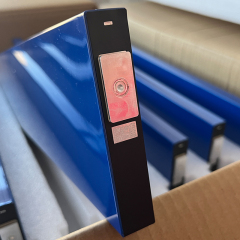
1.Analyzing the Safety Features of Blade Batteries in EVs
One of the biggest concerns with EVs is the safety of their batteries. A Blade Battery consists of smaller cells packed tightly together, unlike traditional EV batteries that have larger cells. This design reduces the risk of thermal runaway – a phenomenon where a battery overheats or catches fire. Blade batteries also have a high-strength material coating, which increases their durability and resistance to damage. Additionally, with the use of inorganic electrolytes, Blade Batteries have an increased resistance to high-temperature environments.
2.Performance Metrics: Evaluating Blade Batteries Under Various Conditions
Besides safety, performance is another key consideration when it comes to EV batteries. Blade Batteries stand out in this aspect as well. With their high nickel content, Blade Batteries have an improved energy density, which translates into longer driving ranges for EVs. They also have a high discharge rate, which allows them to provide a higher current when needed, making them ideal for high-performance EVs. In addition, Blade Batteries perform well in different environmental conditions, such as low temperatures.
3.The Role of Blade Batteries in Enhancing Vehicle Stability and Handling
Another advantage of Blade Batteries is their design, which allows them to be arranged in different shapes. This flexibility makes it easier for automakers to integrate Blade Batteries into their vehicles' designs, enhancing their stability and handling. The batteries' placement within an EV also affects its center of gravity and weight distribution. By strategically placing the Blade Batteries, automakers can improve their vehicles' handling and stability, thus ensuring a smoother and safer driving experience for EV owners.
4.Addressing Safety Concerns: Blade Batteries in Crash Tests and Real-World Scenarios
In recent years, Blade Batteries have undergone rigorous testing to evaluate their safety. In crash tests, Blade Batteries have proven to be safer than traditional EV batteries. Since Blade Batteries have a tight packing, they are less likely to deform or puncture during a collision, reducing the risk of fire and explosion. Additionally, Blade Batteries have been tested in real-world scenarios under extreme conditions, including high-temperature environments, and they have proven to be more durable and safer than traditional EV batteries.
5.Certifications and Standards: Ensuring the Reliability of Blade Batteries
Besides performance and safety, certifications and standards are essential in ensuring the reliability of EV batteries. Blade Batteries have received several certifications, including the IEC 62660-1 and IEC 62619, which test for the performance and safety of automotive batteries. Additionally, Blade Batteries have been used in several electric vehicles produced by reputable automakers, including Volkswagen and Tesla, further attesting to their reliability and safety.
Blade Batteries are a significant development in the EV battery industry, promising improved safety, performance, and reliability. With their unique design, they are not only safer but also more durable and perform better than traditional EV batteries. Blade Batteries have undergone rigorous testing, and their reliability is backed by reputable certifications and standards. As EVs continue to grow in popularity, Blade Batteries could be the game-changer that revolutionizes the EV industry.